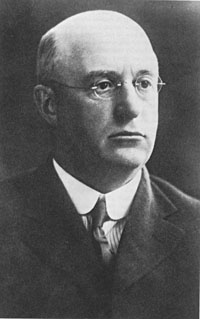
Harlan Carey Brewster was a Canadian lawyer and politician who served as the Premier of British Columbia from 1919 to 1923. He was a member of the Liberal Party and was known for his efforts to improve the province's infrastructure and promote economic development. Brewster was born in Ontario in 1871 and moved to British Columbia in 1891. He studied law and was called to the bar in 1895. He served as a member of the provincial legislature for many years before being appointed premier in 1919. During his time in office, Brewster worked to build new roads and bridges, establish a provincial police force, and develop the province's natural resources. He also supported the construction of the Pacific Great Eastern Railway, which helped to connect the province to the rest of Canada. Brewster died in office in 1923 at the age of 52.
As Premier of British Columbia, Harlan Carey Brewster dealt with a range of issues that affected the province. Some of the key issues he faced during his time in office included:
- Infrastructure development: Brewster was committed to improving the province's infrastructure, and he oversaw the construction of new roads and bridges, as well as the expansion of the provincial police force.
- Economic development: Brewster supported the development of the province's natural resources, including timber, mining, and agriculture. He also supported the construction of the Pacific Great Eastern Railway, which helped to connect the province to the rest of Canada.
- Social issues: Brewster was a strong advocate for education and worked to improve the province's schools and universities. He also supported the rights of organized labor and was an advocate for workers' rights.
- Relations with Indigenous people: Brewster was the premier of British Columbia at a time when the government was working to negotiate treaties with Indigenous peoples in the province. He supported the process of treaty negotiation and worked to address the concerns of Indigenous communities.
- Relations with the federal government: Brewster also had to navigate the relationship between the provincial government and the federal government in Ottawa. He worked to protect the interests of British Columbia and to secure funding and support from the federal government for the province.
He oversaw a number of significant events and developments in the province. Some of the notable events and developments during his premiership include:
- Construction of the Pacific Great Eastern Railway: Brewster supported the construction of the Pacific Great Eastern Railway, which was designed to connect the province to the rest of Canada. The railway was completed in 1914 and helped to stimulate economic development in the province.
- Treaty negotiations with Indigenous peoples: Brewster was the premier of British Columbia at a time when the government was working to negotiate treaties with Indigenous peoples in the province. He supported the process of treaty negotiation and worked to address the concerns of Indigenous communities.
- Improvement of the province's infrastructure: Brewster oversaw the construction of new roads and bridges, as well as the expansion of the provincial police force. These improvements helped to modernize the province and improve the quality of life for its citizens.
- Support for education: Brewster was a strong advocate for education and worked to improve the province's schools and universities. He also supported the rights of organized labor and was an advocate for workers' rights.
- Relations with the federal government: Brewster had to navigate the relationship between the provincial government and the federal government in Ottawa. He worked to protect the interests of British Columbia and to secure funding and support from the federal government for the province.



