
History-Periods
Past eras

From pre-history to today
Choose your period

Pre history - Present
explore the different eras
Past eras
Choose your period
explore the different eras
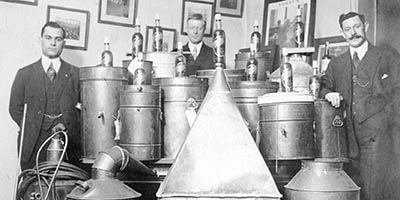
Prohibition in British Columbia was a period of time from 1917 to 1921 when the sale and manufacture of alcohol were banned in the province of British Columbia, Canada. The ban was enacted as a result of pressure from temperance organizations and was intended to reduce alcohol-related social problems. However, the prohibition did not result in a reduction of alcohol consumption and instead led to the rise of illegal bootlegging and organized crime. The prohibition was eventually lifted in 1921, and alcohol regulation was returned to the control of the government.
The temperance movement was a social and political movement that sought to reduce or eliminate the consumption of alcohol, particularly in the form of spirits, which was seen as the cause of many social and moral problems. The movement emerged in the late 19th century and gained momentum in the early 20th century, particularly in North America and Europe. The temperance movement was driven by a variety of groups, including religious organizations, women's groups, and health and welfare organizations, who believed that reducing or eliminating alcohol consumption would improve society by reducing crime, poverty, and other social ills.
The movement employed a range of tactics, including lobbying for legislation to ban or restrict the sale and consumption of alcohol, organizing public rallies and demonstrations, and educating the public about the dangers of alcohol. Some temperance organizations also promoted the idea of total abstinence from alcohol, and encouraged people to take a pledge of sobriety. The temperance movement was one of the first large-scale social movements in the Western world and played a significant role in shaping attitudes towards alcohol and other social issues.
The temperance movement was a widespread social and political movement, and British Columbia was no exception. The movement in British Columbia was active in pushing for Prohibition, and the lobbying efforts of temperance organizations, along with public support for temperance, contributed to the passage of the Prohibition Act in 1917, which banned the sale and manufacture of alcohol in the province. The temperance movement in British Columbia was part of a larger movement that sought to reduce or eliminate the consumption of alcohol, which was seen as the cause of many social and moral problems. The movement played a significant role in shaping attitudes towards alcohol and other social issues in the province and beyond.
Prohibition was repealed in British Columbia due to a combination of factors, including:
Ineffectiveness: Prohibition failed to reduce alcohol consumption and instead led to the rise of illegal alcohol production and sale, known as bootlegging, which was controlled by organized crime groups.
Unintended consequences: The ban made alcohol more expensive and less accessible, particularly for working-class and lower-income communities, who were already struggling economically.
Public opposition: There was growing public opposition to the ban, as many people saw it as an ineffective solution to the problems it was intended to address and as a violation of individual liberties.
Economic reasons: The repeal of Prohibition was also driven by economic considerations, as the government recognized the potential for increased tax revenue from the regulated sale of alcohol.
Ultimately, the repeal of Prohibition in British Columbia was the result of a combination of factors, including its ineffectiveness, unintended consequences, growing public opposition, and economic considerations. The government returned regulation of the alcohol industry to the government, and has since enacted laws and regulations to control the sale and distribution of alcohol.
Timeline
Prohibition in British Columbia affected society in a number of ways. On the one hand, it was intended to reduce alcohol-related social problems, such as crime, poverty, and health issues. However, the ban on the sale and manufacture of alcohol had unintended consequences that impacted different segments of society in various ways:
Bootleggers and organized crime: The ban led to the rise of illegal alcohol production and sale, known as bootlegging, which was controlled by organized crime groups.
Working-class and lower-income communities: The ban made alcohol more expensive and less accessible, particularly for working-class and lower-income communities, who were already struggling economically.
Women: Women were active in the temperance movement and were seen as a major force behind the push for Prohibition. However, the ban also had a negative impact on women, who were often the primary victims of domestic violence and other alcohol-related social problems.
Indigenous communities: Indigenous communities were particularly impacted by Prohibition, as the ban limited their access to traditional practices and cultural rituals that involved the use of alcohol.
British Columbiahistory.ca is a visitor supported web site. If you would like to submit an article or opinion, please visit our blog at www.blog.British Columbiahistory.ca.
Reference: Article by (Staff Historian), 2023
Tel: 1 604 833-9488
Email: info@canadahistorysociety.ca

All content and images are protected by copyright to Access History