
History-Periods
Past eras

From pre-history to today
Choose your period

Pre history - Present
explore the different eras
Past eras
Choose your period
explore the different eras
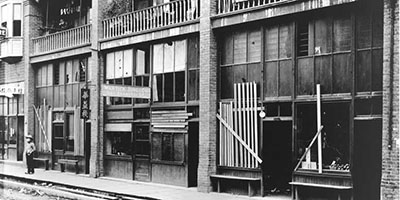
The Anti-Asian Riots in British Columbia in 1907 were a series of violent and racially motivated incidents that took place in the province of British Columbia, Canada. The riots were fueled by anti-Asian sentiment and anti-immigrant sentiment, and resulted in the destruction of many Chinese-owned businesses and homes.
The roots of the violence lay in the growing number of Chinese and Japanese immigrants who were coming to British Columbia to work in the province's growing industries, such as mining, fishing, and agriculture. Many of these immigrants faced significant discrimination and prejudice, and were often subjected to unfair treatment and exploitation.
In 1907, tensions came to a head in the city of Vancouver, where a series of anti-Asian riots broke out, resulting in widespread violence and destruction. The riots were fueled by anti-Asian sentiment and anti-immigrant sentiment, and many Chinese-owned businesses and homes were targeted and destroyed.
The Anti-Asian Riots of 1907 were a dark chapter in British Columbia's history, and they served to highlight the deep-seated prejudice and discrimination that many immigrants faced in the province. The riots were a wake-up call for many British Columbians, and they helped to spur efforts to promote equality and tolerance in the province.
Overall, the Anti-Asian Riots in British Columbia in 1907 were a significant event in the province's history, and they served to illustrate the challenges and difficulties that many immigrants faced in early 20th-century British Columbia. Despite these challenges, many immigrants continued to come to British Columbia, and their contributions have helped to shape and enrich the province's culture and society.
The Anti-Asian Riots in British Columbia in 1907 were started by a combination of factors, including anti-Asian sentiment, anti-immigrant sentiment, and competition for jobs and resources.
Anti-Asian sentiment: There was a growing sentiment of prejudice and discrimination against Asian immigrants in British Columbia, fueled by racist ideas about the supposed superiority of white people and a fear of the "yellow peril". This anti-Asian sentiment was compounded by the fact that many Chinese and Japanese immigrants were competing for jobs and resources with white workers.
Competition for jobs and resources: The growing number of Chinese and Japanese immigrants coming to British Columbia was seen as a threat by many white workers, who felt that the immigrants were taking jobs and resources away from them. This competition for jobs and resources helped to fuel anti-Asian sentiment and anti-immigrant sentiment in the province.
Labor disputes: The anti-Asian riots in 1907 were also influenced by a series of labor disputes that were taking place in the province at the time. Many workers, including white workers, were frustrated with the poor working conditions and low wages that they were subjected to, and they were looking for someone to blame.
The Anti-Asian Riots in British Columbia took place from September 7th to September 9th in 1907, and they occurred primarily in the city of Vancouver, which was then the largest city in the province of British Columbia, Canada.
The riots began on September 7th, when a mob of white men attacked and destroyed the homes and businesses of Chinese and Japanese immigrants in the city's Chinatown and Japantown neighborhoods. The violence continued for several days, with the mob targeting and looting businesses, homes, and other properties belonging to Asian immigrants.
Despite the efforts of the police and local authorities to quell the violence, the riots continued for several days, and they resulted in significant damage to the city's Chinatown and Japantown neighborhoods. Many Asian residents were forced to flee their homes and businesses, and many suffered significant losses as a result of the violence and destruction.
In the immediate aftermath of the riots, many Asian residents may have been in shock and disbelief, and some may have been forced to flee their homes and businesses to escape the violence. Some may have suffered significant financial losses as a result of the destruction of their properties, and many would have been left feeling vulnerable and uncertain about their future in the city.
In the longer term, the Anti-Asian Riots in British Columbia may have served to reinforce the prejudices and discrimination that many Asian immigrants faced in the province, and it may have made it more difficult for them to establish themselves and build successful lives in their new home.
There are no reported deaths as a result of the Anti-Asian Riots in British Columbia in 1907. Although there was significant property damage and violence, no fatalities were reported.
Overall, it is likely that the Asian reaction to the Anti-Asian Riots in British Columbia in 1907 was one of fear, uncertainty, and trauma, and that the riots would have had a profound and lasting impact on the Asian community in the city.
Timeline
The Anti-Asian Riots in British Columbia in 1907 had a profound and lasting effect on the city of Vancouver.
In the immediate aftermath of the riots, many Asian residents were frightened and traumatized by the violence and destruction that they witnessed or experienced. Many were forced to flee their homes and businesses to escape the violence, and some suffered significant financial losses as a result of the destruction of their properties.
In the longer term, the riots reinforced the prejudices and discrimination that many Asian immigrants faced in the province, and they made it more difficult for them to establish themselves and build successful lives in their new home. The violence and destruction of the riots would have left a lasting impression on the Asian community in the city, and it may have served to further marginalize and isolate them from the broader society.
The riots also had a broader impact on the city as a whole. The violence and destruction associated with the riots would have tarnished Vancouver's reputation as a safe and welcoming place to live and work, and it may have deterred some potential immigrants and investors from coming to the city.
Overall, the Anti-Asian Riots in British Columbia in 1907 had a profound and lasting effect on the city of Vancouver, and they would have had a lasting impact on the Asian community and the broader society. The riots served as a reminder of the discrimination and prejudice that many Asian immigrants faced in the province, and they would have reinforced the marginalization and isolation of the Asian community in the city.
British Columbiahistory.ca is a visitor supported web site. If you would like to submit an article or opinion, please visit our blog at www.blog.British Columbiahistory.ca.
Reference: Article by (Staff Historian), 2023
Tel: 1 604 833-9488
Email: info@canadahistorysociety.ca

All content and images are protected by copyright to Access History