
History-Periods
Past eras

From pre-history to today
Choose your period

Pre history - Present
explore the different eras
Past eras
Choose your period
explore the different eras
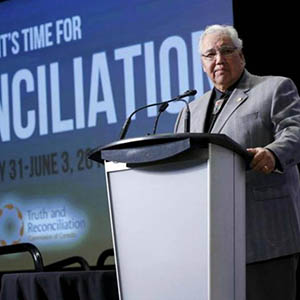
The Truth and Reconciliation Commission of Canada (TRC) was established in 2008 as part of the Indian Residential Schools Settlement Agreement. The TRC was tasked with investigating the impact of the Indian Residential School system, which removed Indigenous children from their families and placed them in boarding schools where they were subjected to physical, sexual, and emotional abuse. The TRC held public hearings and community events, and produced a report with recommendations to the government and Canadian society on how to repair the harm caused by the residential school system and move forward with reconciliation.
The process of the Truth and Reconciliation Commission of Canada (TRC) involved several steps:
Public Hearings: The TRC held public hearings across Canada where former residential school students, their families, and communities could share their experiences and testify about the harm they suffered as a result of the residential school system.
Community Events: The TRC also held community events, such as cultural activities and healing workshops, to provide support and resources to former students and their families.
Gathering of Historical Records: The TRC gathered and analyzed historical records, including government documents and reports from residential schools, to understand the full extent of the residential school system and its impact on Indigenous peoples.
Issuing of Report: The TRC issued a report in 2015, which included findings and recommendations on how to repair the harm caused by the residential school system and move forward with reconciliation. The report emphasized the importance of education, memorialization, and acknowledging the injustices of the past.
Follow-up: The TRC's recommendations called for a national strategy to implement the report's calls to action, including addressing the ongoing impacts of residential schools, improving the relationship between Indigenous peoples and the government, and promoting reconciliation in Canadian society.
The Truth and Reconciliation Commission of Canada (TRC) was made up of three Commissioners:
Justice Murray Sinclair: A former judge and the first Indigenous person appointed to a judicial position in Manitoba, Justice Sinclair was appointed as the Chair of the TRC.
Chief Wilton Littlechild: A former Chief of the Ermineskin Cree Nation in Alberta and a member of the Legislative Assembly of Alberta, Chief Littlechild was appointed as a Commissioner of the TRC.
Dr. Marie Wilson: A former CBC radio journalist, Dr. Wilson was appointed as a Commissioner of the TRC.
The TRC also had a staff of researchers, support personnel, and legal counsel who assisted the Commissioners in carrying out their work. The TRC was supported by the Indian Residential Schools Adjudication Secretariat, which was responsible for implementing the Indian Residential Schools Settlement Agreement and providing administrative support to the TRC.
The findings of the Truth and Reconciliation Commission of Canada (TRC) were detailed in its final report, released in 2015. Some of the key findings include:
The Residential School System as Cultural Genocide: The TRC found that the Indian Residential School system was a deliberate policy aimed at assimilating Indigenous peoples into Canadian society and removing Indigenous cultures, languages, and traditions. The TRC concluded that the residential school system constituted cultural genocide.
Impact of Residential Schools: The TRC found that the residential school system had a profound and lasting impact on Indigenous peoples, including the loss of language, culture, and identity; the disruption of family and community relationships; and the transmission of intergenerational trauma.
Government Responsibility: The TRC found that the federal government was responsible for the design, administration, and funding of the residential school system, and that it failed to protect the children in its care from abuse and neglect.
Continuing Impacts: The TRC found that the legacy of the residential school system continues to be felt today, with Indigenous peoples facing ongoing challenges with health, education, and social conditions as a result of the harm inflicted by the residential schools.
Calls to Action: Based on its findings, the TRC issued 94 Calls to Action, which included recommendations for the government, the private sector, and Canadian society as a whole, aimed at addressing the ongoing impacts of residential schools and promoting reconciliation between Indigenous and non-Indigenous peoples.
These findings were significant in shaping public understanding and national conversation about the legacy of residential schools and the need for reconciliation in Canada.
The Truth and Reconciliation Commission of Canada (TRC) issued 94 "Calls to Action" in its final report, released in 2015. These calls to action were aimed at addressing the ongoing impacts of the Indian Residential School system and promoting reconciliation between Indigenous and non-Indigenous peoples in Canada. Some of the key calls to action include:
Education: The TRC called for increased awareness and education about the history and legacy of residential schools, including mandatory age-appropriate curriculum for all students in Canadian schools.
Language and Culture: The TRC called for the preservation and restoration of Indigenous languages and cultures, including support for language revitalization programs.
Health: The TRC called for improved health outcomes for Indigenous peoples, including addressing the high rates of chronic disease and mental health issues resulting from the residential school experience.
Justice: The TRC called for reforms to the criminal justice system, including reducing the over-representation of Indigenous peoples in prisons, and addressing the root causes of crime in Indigenous communities.
Child Welfare: The TRC called for the prevention of the removal of Indigenous children from their families and communities and for support for families and communities in caring for their children.
Reconciliation: The TRC called for a national strategy to support reconciliation, including building relationships between Indigenous and non-Indigenous peoples, and addressing the ongoing impacts of residential schools.
These calls to action were intended to guide reconciliation efforts in Canada and are considered an important step towards addressing the harm inflicted by the residential school system and promoting a more just and equitable society.
Timeline
The Truth and Reconciliation Commission of Canada (TRC) and its findings and recommendations had a significant impact on British Columbia (BC). Some of the key ways that the TRC and its findings have influenced the province include:
Education: BC has implemented a number of initiatives aimed at incorporating the history and legacy of residential schools into the education curriculum, including the development of age-appropriate resources for teachers and students.
Reconciliation: The TRC's calls to action have helped to spur efforts towards reconciliation in BC, including the creation of the BC Association of Aboriginal Friendship Centres, which works to support Indigenous peoples and promote reconciliation.
Child Welfare: The TRC's findings and recommendations have contributed to efforts aimed at improving child welfare outcomes for Indigenous peoples in BC, including reducing the over-representation of Indigenous children in care and supporting families and communities in caring for their children.
Health: The TRC's findings have helped to raise awareness about the ongoing impacts of residential schools on Indigenous health, leading to increased funding and support for mental health and wellness initiatives for Indigenous peoples in BC.
Legal Reform: The TRC's findings have informed ongoing efforts to reform the justice system in BC, including reducing the over-representation of Indigenous peoples in prisons and addressing the root causes of crime in Indigenous communities.
In summary, the TRC and its findings have played a critical role in shaping public understanding and the political discourse around reconciliation and the legacy of residential schools in British Columbia. They have informed policy decisions and initiatives aimed at addressing the ongoing impacts of the residential school system and promoting reconciliation in the province.
British Columbiahistory.ca is a visitor supported web site. If you would like to submit an article or opinion, please visit our blog at www.blog.British Columbiahistory.ca.
Reference: Article by (Staff Historian), 2023
Tel: 1 604 833-9488
Email: info@canadahistorysociety.ca

All content and images are protected by copyright to Access History