
History-Periods
Past eras

From pre-history to today
Choose your period

Pre history - Present
explore the different eras
Past eras
Choose your period
explore the different eras
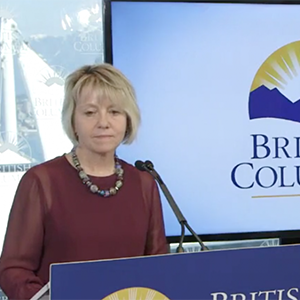
The COVID-19 pandemic has had a significant impact on British Columbia, just as it has on the rest of the world. In response to the outbreak, the government of British Columbia declared a state of emergency and imposed restrictions on gatherings, business operations, and travel. These measures, along with the widespread adoption of mask wearing and other preventive measures, helped to slow the spread of the virus. Despite these efforts, the province still saw a high number of cases and hospitalizations, particularly during the second wave of the pandemic in the fall of 2020. The vaccine rollout has since begun, and restrictions have slowly been lifted, but the pandemic continues to affect daily life in the province, with health officials monitoring the situation closely.
The spread of COVID-19 in British Columbia, as in many other places, was largely driven by person-to-person transmission. The virus is primarily spread through respiratory droplets that are produced when an infected person talks, coughs, or sneezes. It can also spread through contact with surfaces contaminated with the virus, followed by touching one's face.
In the early stages of the pandemic, COVID-19 was largely imported into British Columbia from travelers, but as the pandemic progressed, community transmission became the main source of new cases. The virus spread rapidly in settings where people were in close proximity to one another, such as long-term care homes, crowded gatherings, and workplaces.
The provincial government implemented various measures to slow the spread of the virus, such as physical distancing guidelines, mandatory mask wearing in indoor public spaces, and restrictions on gatherings. These measures, along with the widespread adoption of preventive measures by the public, helped to slow the spread of the virus.
The COVID-19 pandemic has had a significant impact on politics in British Columbia, as it has in many other places. The government has been responsible for implementing measures to slow the spread of the virus, such as restrictions on gatherings, business operations, and travel. These measures were aimed at protecting public health, but they have also had significant economic and social impacts.
The government's response to the pandemic has been the subject of political debate and criticism, with some people calling for more restrictive measures to be taken, while others have criticized the measures as being too restrictive and harmful to the economy. The government has attempted to strike a balance between protecting public health and ensuring that people are able to access essential services and support during these challenging times.
The pandemic has also highlighted existing inequalities and disparities in society, with marginalized communities being disproportionately affected by the virus. The government has been working to address these disparities through targeted measures and programs, such as increased support for low-income families and communities of color.
Overall, the COVID-19 pandemic has had a profound impact on the politics of British Columbia and has forced the government to make difficult decisions in order to protect public health and ensure the well-being of its citizens.
The issue of wearing masks during the COVID-19 pandemic has been a politically charged issue in many places, including British Columbia. The wearing of masks has been widely recommended by health officials as an effective way to slow the spread of the virus, particularly in indoor settings where physical distancing is difficult to maintain.
However, there have been individuals and groups who have opposed mask mandates and other COVID-19 restrictions, often on the grounds of personal freedom and civil liberties. Some have referred to themselves as "anti-maskers" and have been vocal in their opposition to wearing masks.
The issue of mask wearing has also become politicized, with some individuals and political leaders using it as a symbol of their stance on the broader response to the pandemic, such as the government's handling of the crisis or the role of science in decision making.
Despite the opposition, the majority of people in British Columbia and around the world have followed health officials' recommendations and have been wearing masks as a precautionary measure to slow the spread of the virus and protect public health.
Timeline
Dr. Bonnie Henry is a medical health officer and epidemiologist who has played a significant role in British Columbia's response to the COVID-19 pandemic. She was appointed as the provincial health officer in 2018 and has been a prominent figure in the province's efforts to control the spread of the virus.
Dr. Henry has been widely praised for her leadership and communication style during the pandemic. She has been known for her clear, concise, and evidence-based approach to communicating information about the virus and the measures being taken to control its spread. She has also been praised for her compassionate and empathetic approach, which has helped to engender trust and confidence in the public during a time of uncertainty and anxiety.
Dr. Henry has been responsible for making recommendations on measures to control the spread of the virus, such as restrictions on gatherings and the wearing of masks. She has also been responsible for working with other health officials and government agencies to coordinate the response to the pandemic and to ensure that the needs of the most vulnerable populations are addressed.
Overall, Dr. Bonnie Henry has been a key figure in British Columbia's response to the COVID-19 pandemic and has played a critical role in ensuring the well-being of the province's citizens during these challenging times.
British Columbiahistory.ca is a visitor supported web site. If you would like to submit an article or opinion, please visit our blog at www.blog.British Columbiahistory.ca.
Reference: Article by (Staff Historian), 2023
Tel: 1 604 833-9488
Email: info@canadahistorysociety.ca

All content and images are protected by copyright to Access History