
History-Periods
Past eras

From pre-history to today
Choose your period

Pre history - Present
explore the different eras
Past eras
Choose your period
explore the different eras
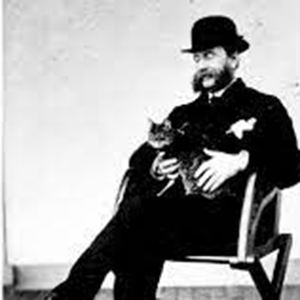
Frederick Seymour was the third Governor of the Colony of British Columbia, serving from 1864 to 1869. He was appointed Governor after the colonies of Vancouver Island and British Columbia were united in 1866. Seymour was born in England in 1820 and served in the British Army before being appointed Governor of the colony. He died in office in 1869. Some of the events that occured while he was in office in British Columbia were
Governor Frederick Seymour was indeed against British Columbia joining Canada. He believed that the young colony was capable of sustaining itself and feared that joining Canada would result in the loss of local autonomy. Despite his opposition, the Canadian government made efforts to convince British Columbia to join the confederation and eventually succeeded in 1871. Seymour's stance on confederation was not widely supported and he faced criticism for his views, but he remained steadfast in his belief that British Columbia would be better off as an independent entity.
Timeline
Governor Frederick Seymour lived in Victoria, British Columbia during his tenure as governor of the colony. Victoria was the capital of British Columbia at the time and was a rapidly growing city, with a growing population of settlers and businesses. As governor, Seymour lived in a large mansion, where he entertained local and visiting dignitaries. He was known for his love of hunting and fishing, and he spent much of his free time exploring the local wilderness. Despite his love of the outdoors, he faced many challenges during his time in Victoria, including a growing demand for responsible government, tensions with indigenous peoples, and allegations of corruption. Despite these challenges, he remained committed to his role as governor and worked to ensure the stability and growth of the colony during his time in office.
Governor Frederick Seymour died of smallpox on August 17, 1869, in Victoria, British Columbia. He contracted the disease while visiting the nearby indigenous village of Esquimalt, where a smallpox outbreak had occurred. Despite his efforts to control the spread of the disease, he himself fell ill and died just a few days later. His death was a significant loss for the colony, as he was widely respected and admired for his leadership and commitment to its growth and development. He was the first governor of British Columbia to die in office and his death marked the end of a difficult period in the colony's history.
British Columbiahistory.ca is a visitor supported web site. If you would like to submit an article or opinion, please visit our blog at www.blog.British Columbiahistory.ca.
Reference: Article by (Staff Historian), 2023
Tel: 1 604 833-9488
Email: info@canadahistorysociety.ca

All content and images are protected by copyright to Access History