
History-Periods
Past eras

From pre-history to today
Choose your period

Pre history - Present
explore the different eras
Past eras
Choose your period
explore the different eras
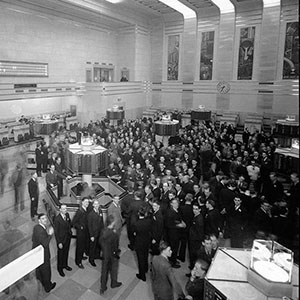
The stock market crash of 1929 had a significant impact on the economy of British Columbia, as it did with the rest of the world. The crash led to a decline in the demand for natural resources, such as lumber and minerals, which were major exports for the province. This led to widespread job losses and a decline in the overall economic activity. Additionally, the crash also led to a decline in the demand for goods and services, which further hurt local businesses and contributed to the overall economic downturn. The effects of the crash were felt for several years, and it was not until the mid-1930s that the economy of British Columbia began to recover.
The impact of the stock market crash of 1929 on the workers of British Columbia was severe. The crash led to a decline in the demand for natural resources, which resulted in widespread job losses and reduced wages for many workers. Many workers in the logging and mining industries were affected, as well as those in construction and manufacturing. Many workers were unable to find employment, and those who did often had to accept lower wages and poorer working conditions. The unemployment rate in the province rose sharply, and many workers struggled to make ends meet. Many workers and their families fell into poverty and had to rely on government relief programs to survive. The economic downturn also led to a decline in union membership, as many workers were unable to afford the dues and many unions struggled to remain financially viable.
The crash led to a decline in the demand for natural resources, which resulted in a decline in exports and a decrease in economic activity. This led to reduced profits and widespread business failures. Many businesses, particularly those in the logging, mining, and construction industries, were forced to close or reduce their operations. The downturn also led to a decline in consumer spending, which further hurt local businesses.
Many businesses struggled to stay afloat, and some were forced to lay off employees or reduce their wages. The overall economic downturn led to a decrease in investment, which made it difficult for new businesses to start and for existing businesses to expand. Additionally, the general lack of confidence in the economy also led to a decline in the number of new ventures starting up.
The stock market crash of 1929 was caused by a combination of factors, including economic and financial imbalances that had been building up over the preceding years. Some of the key causes of the crash include:
Timeline
The economic downturn led to widespread poverty and unemployment, which had a negative impact on people's quality of life. Many people struggled to make ends meet, and some were forced to rely on government relief programs to survive. This led to a sense of hopelessness and despair among many individuals and families. The crash also led to a decline in consumer spending, which affected various aspects of society and culture. For example, there were less investments in entertainment, recreation and cultural activities, this led to a decline in the number of movies, plays, and concerts produced, and attendance at these events also dropped. Many people could not afford to participate in these activities and thus were less likely to be exposed to new ideas and cultures. The crash also led to a decline in social mobility, as many people were unable to find work or improve their economic situation. This led to a growing sense of class division and social unrest. Additionally, the crash also led to a decline in union membership, which affected the labor movement in the province. Overall, the crash and the resulting economic downturn had a significant impact on society and culture in British Columbia, affecting people's quality of life, cultural activities and social relationships.
British Columbiahistory.ca is a visitor supported web site. If you would like to submit an article or opinion, please visit our blog at www.blog.British Columbiahistory.ca.
Reference: Article by (Staff Historian), 2023
Tel: 1 604 833-9488
Email: info@canadahistorysociety.ca

All content and images are protected by copyright to Access History